


Condo Insurance
Every condo association carries a master policy. How far into your unit it reaches varies by building, and what it leaves out is yours.
Explore servicePersonal insurance covers what you own and the liability that comes with it. Your home or apartment, your belongings, your car, and the claims that can follow you long after the incident itself. In New York the right policy form depends on the property type, and the wrong one leaves gaps you only discover at claim time.
We are a brokerage, not a captive agency. Tell us about your household once and we compare carriers instead of handing back a single price. We also read the documents that decide whether a policy will respond: master policies, proprietary leases, board rules, and lender conditions.
We serve homeowners, renters, condo and co-op owners, landlords, and drivers across the five boroughs from our office in East Elmhurst, Queens. Return to our homepage to see everything we do.
Our Services
Explore our coverage and get support at every step.
Every condo association carries a master policy. How far into your unit it reaches varies by building, and what it leaves out is yours.
Explore service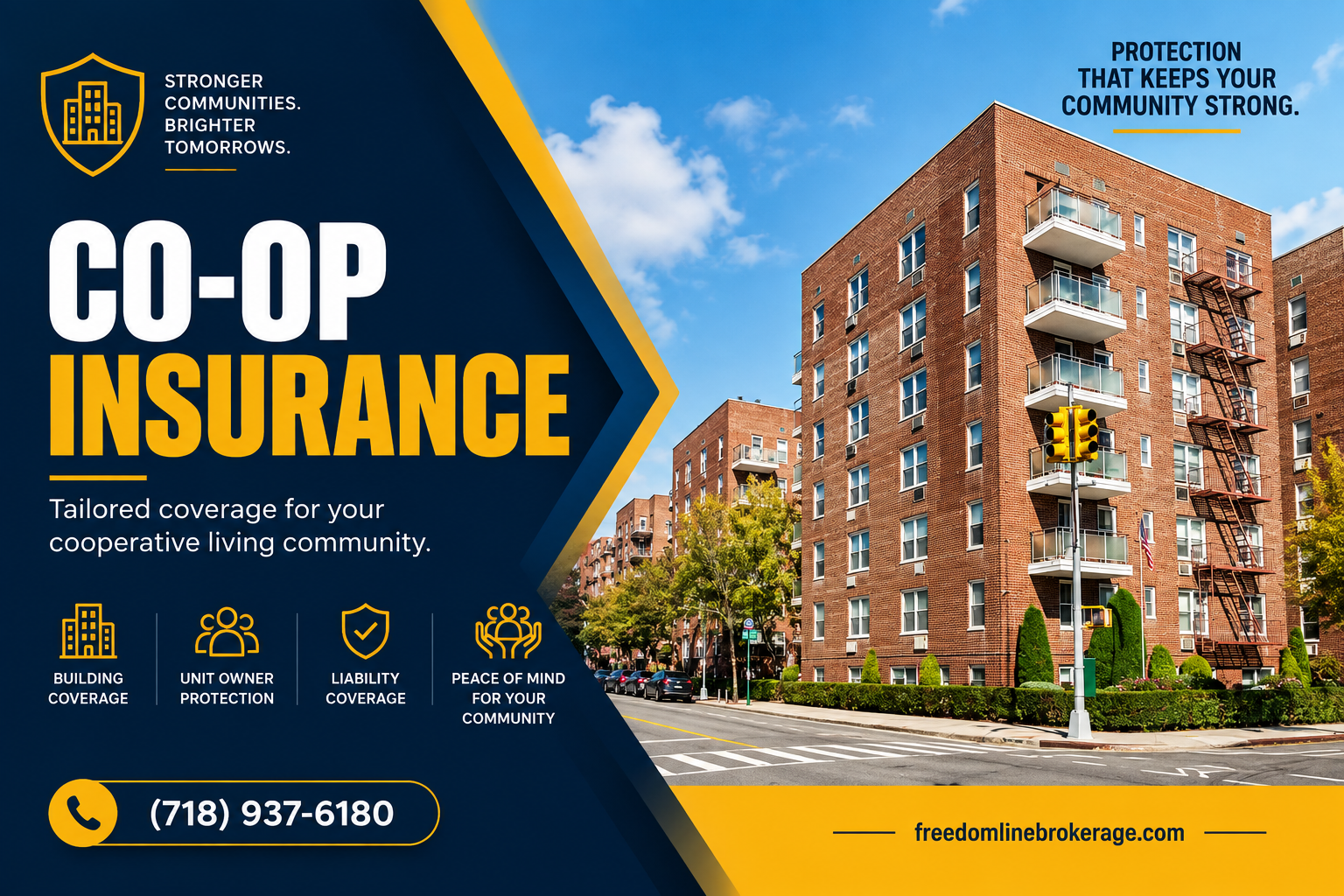

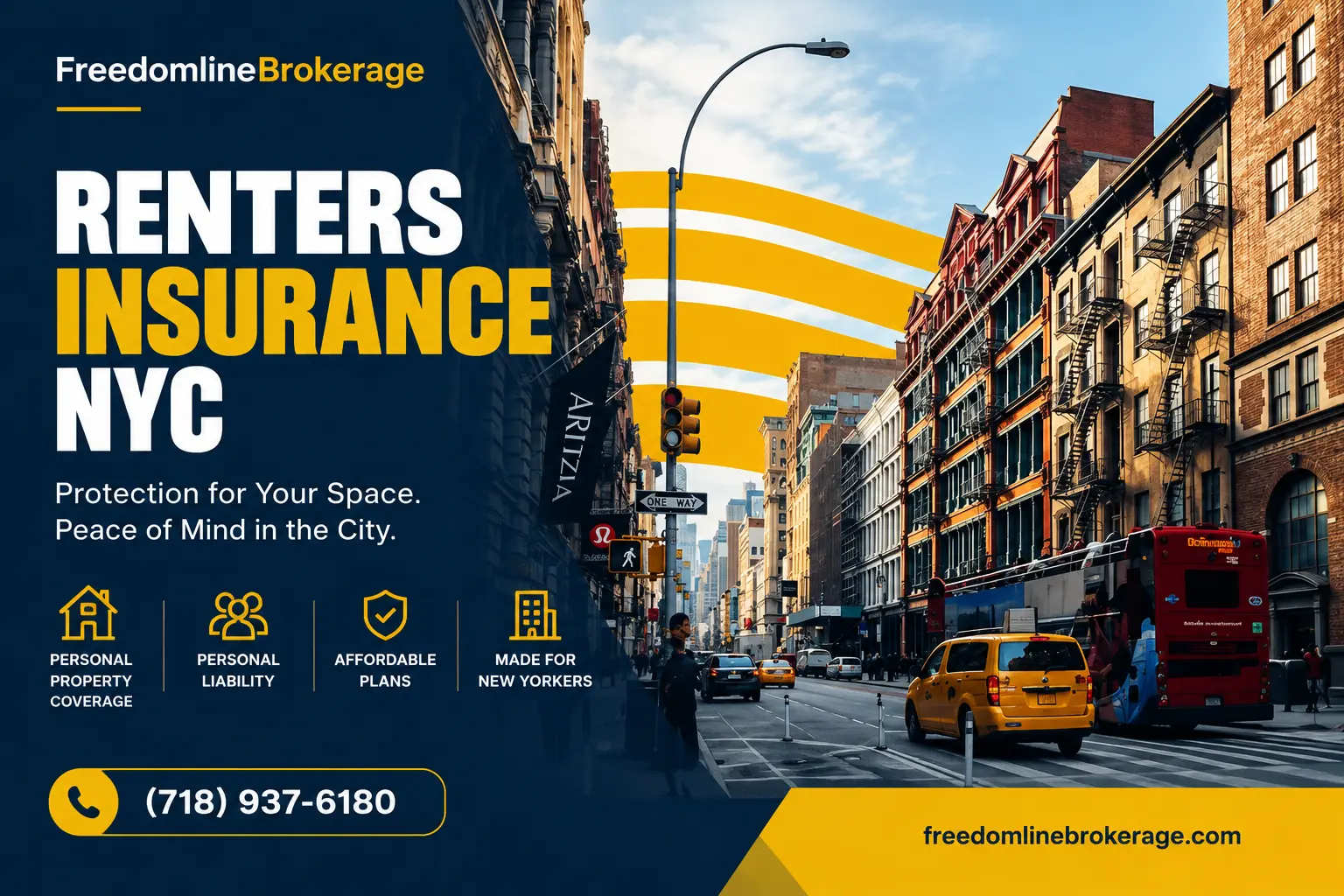

Your landlord insures the building. What you moved into the apartment is yours to insure.
Explore service

The state sets the floor. What you pay, and who writes it, is still open.
Explore service
Coverage for your house, your belongings, and the liability that comes with both.
Explore serviceWhy Choose Us
We do not just sell policies. We read the paperwork that decides whether yours will respond.
Your information goes to several markets. Rates for identical coverage vary widely between carriers, and the spread is widest in dense urban ZIP codes.
Master policies, proprietary leases, board requirements, lender conditions. That is where coverage gaps hide, and where certificates get rejected.
Standard, windstorm, and hurricane deductibles work differently. You will know your dollar exposure before you sign, not after a storm.
Home, auto, renters, and business coverage under one roof in East Elmhurst, with tax and accounting alongside.
About
Homeowners, condo, co-op, renters, and dwelling fire are different structures, not different names for the same thing. A condo owner on a renters form has nothing covering the kitchen they renovated. A landlord on a homeowners form may find it is not built for a tenanted property.
A hurricane deductible is usually company mandated and applies when a storm is declared a hurricane. It commonly runs 1% to 5% of the dwelling value or the amount of insurance on the dwelling, and many insurers require one for properties in the five boroughs, Nassau and Suffolk counties, and coastal areas of Westchester.
The Department of Financial Services requires insurers to state that deductible as a dollar amount on your declarations page, so it is worth checking yours. A separate windstorm deductible is optional and applies to any wind loss, not only a named hurricane.
Flood is excluded from standard homeowners, condo, and renters policies. Coverage comes separately, through FEMA's National Flood Insurance Program or a private flood policy. Homeowners policies also carry sublimits on certain property, commonly around $1,500 for jewelry, furs, and coin collections, and generally $2,500 for business property kept at home. Scheduling those items usually costs very little.
In New York the distinction turns on who is being represented. An agent generally represents the insurer. A broker acts on behalf of you, the client. Market access varies either way, since some agencies are appointed by one carrier while others place business with many.
So whether you want a homeowners insurance agency or a broker, the useful question is the same. How many markets will actually see your submission, and will someone explain the differences in limits, deductibles, and exclusions rather than only the price?
FAQ
Straight answers on coverage, requirements, and what your policy actually does.
