
01
Tell us about your apartment
Address and unit, square footage, improvements made, and your board's requirements.
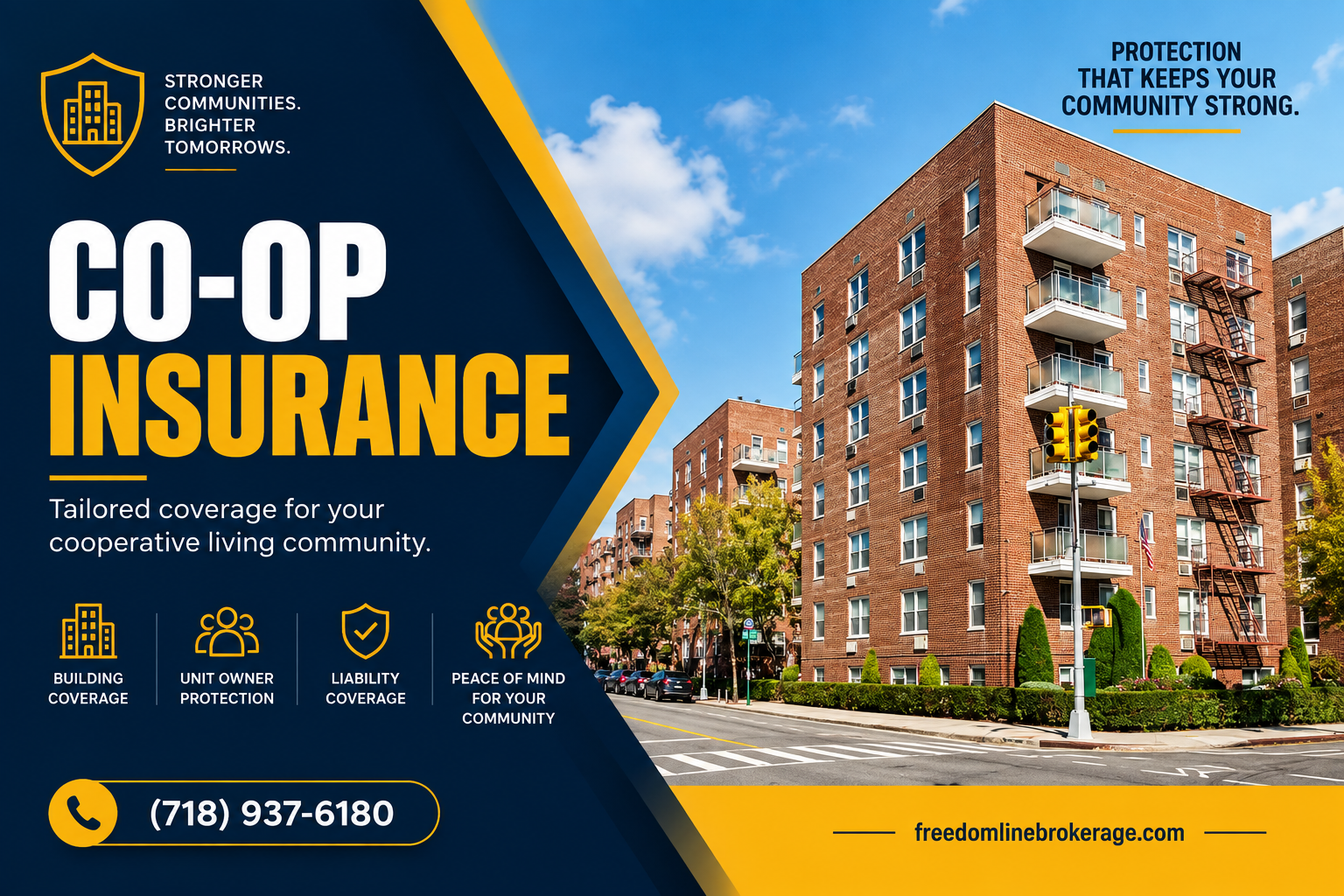
A co-op shareholder owns shares in a cooperative corporation and occupies under a proprietary lease. There is no deed. The corporation owns the building, and your lease and house rules set out what you must insure.
That is why two neighbours in near identical buildings can need different coverage. One lease treats original fixtures as the corporation's responsibility. Another pushes them onto the shareholder, along with every improvement made under an alteration agreement.
We place co-operative insurance for shareholders across Manhattan, Brooklyn, Queens, and the Bronx. We compare carriers rather than selling one, and we read the lease before quoting. See our full range of insurance services.
The renovated kitchen, the flooring, the built-ins. Whatever the corporation does not insure falls to you, and the lease tells you where that line sits.
Furniture, electronics, and clothing, covered for perils named in your form. Ask about replacement cost rather than actual cash value, which accounts for depreciation.
The coverage NYC shareholders use most. Water escaping from your line into the apartments below is the classic stacked-building claim. If you are found legally responsible for covered bodily injury or property damage, this may help pay damages and defense costs.
If the corporation levies a special assessment after a covered loss, this helps with your share. Included limits are often modest, so ask whether yours can be raised.
If a covered loss makes the apartment unlivable, this helps with a hotel and living elsewhere.
Closings and alteration approvals stall over certificates. Boards commonly ask for a minimum liability limit, the corporation and managing agent named correctly, loss assessment coverage, and an effective date on or before closing.
A co-op loan is a share loan rather than a mortgage on real property, and lender requirements vary. Fannie Mae's project development rules do reach co-op corporations, so confirm what your lender needs before closing.
Carriers commonly write owner-occupied co-op apartments on an HO-6 form, while New York DFS consumer materials group tenant and cooperative policies together. The form number matters less than what the policy covers.
Subletting is different. An owner-occupied policy is not built for an apartment you have rented out. Owners generally need a landlord or package policy along the lines of dwelling fire insurance for NYC rental property, with the tenant carrying renters insurance in NYC.
Freedom Line Brokerage has placed personal and commercial coverage from our East Elmhurst, Queens office since 2003. Co-op submissions go to our licensed underwriting team, Rachel Boodho and Sherezade Houngbedji, with Rosemary Filpo handling endorsements and board certificates once the policy binds.
We read the proprietary lease: It decides your improvements limit. We check before you buy, not after a claim.
We compare, we do not push one product: Your information goes to several markets, which is how you find which carriers want your building.
We build to the board's requirements: Correct entity names, correct limits, loss assessment included, dated to closing.
Every personal line in one office: Finding the best co-op insurance nyc option often means pricing it against a condo, renters, or homeowners insurance NYC form. We quote all of them.
Reachable after you buy: Endorsement specialists for limit changes and certificates. The Freedomline app holds your documents.
Find answers before you get your quote.
Not by state law, but your proprietary lease or house rules usually require it, and a lender may require it as a condition of financing. Boards typically set a minimum liability limit and ask for proof before closing.
A condo owner holds title to real property, with obligations set by the declaration and bylaws. A co-op shareholder owns shares and occupies under a proprietary lease, which sets responsibility. Carriers often use similar forms for both, but limits differ. See condo insurance in NYC for the HO-6 side.
Start with the lease. If the corporation insures original fixtures, you may only need to cover your upgrades. If not, you are insuring from the drywall in. Total what your renovation would cost to redo today.
That is a liability question rather than a property one, and it depends on the source of the water, the form, and the exclusions. If you are found legally responsible, liability coverage may respond within your limits.
Simple & Straightforward
Address and unit, square footage, improvements made, and your board's requirements.
We review improvements limits, liability, loss assessment, and deductibles, then explain the differences.
Choose the policy and we issue the certificate your board or lender is waiting on.